
Authentic hope comes from building together
We know we are not where we want to be as a country—or as a people. Our work is not done. But the answer is not to give up or retreat.

We know we are not where we want to be as a country—or as a people. Our work is not done. But the answer is not to give up or retreat.
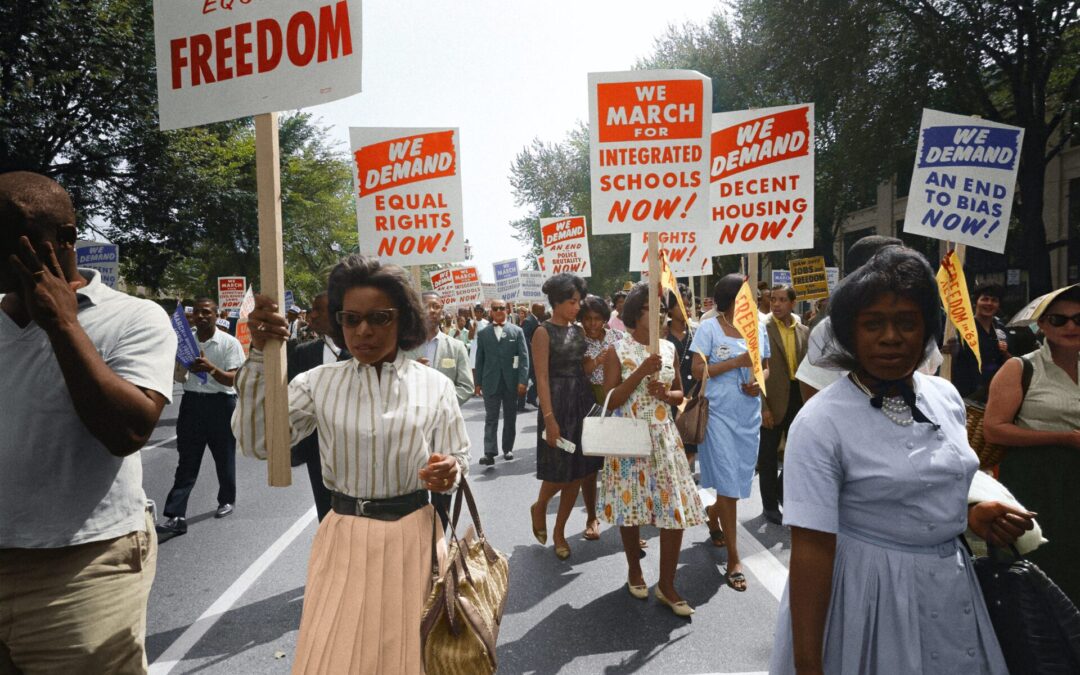
Baptists and other religious minorities turned one world upside down and gifted us the world we live in today where I am free to practice my faith and others are free to do the same.
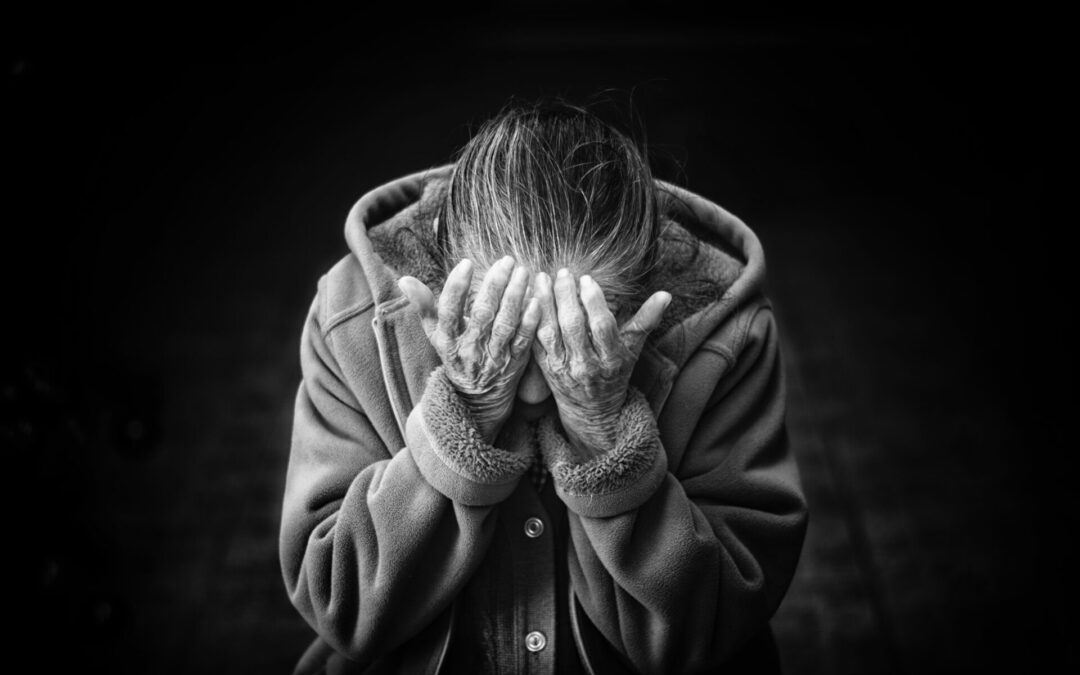
When loss occurs, grief inevitably follows. Yet in public life, grief from our collective losses seems to routinely get short-circuited. We seem incapable of allowing it into our lives. But that stymies our shared project of creating communities that thrive, because it causes so many of us to pretend or wish our losses never happened. For others, it means a retreat from public life entirely.
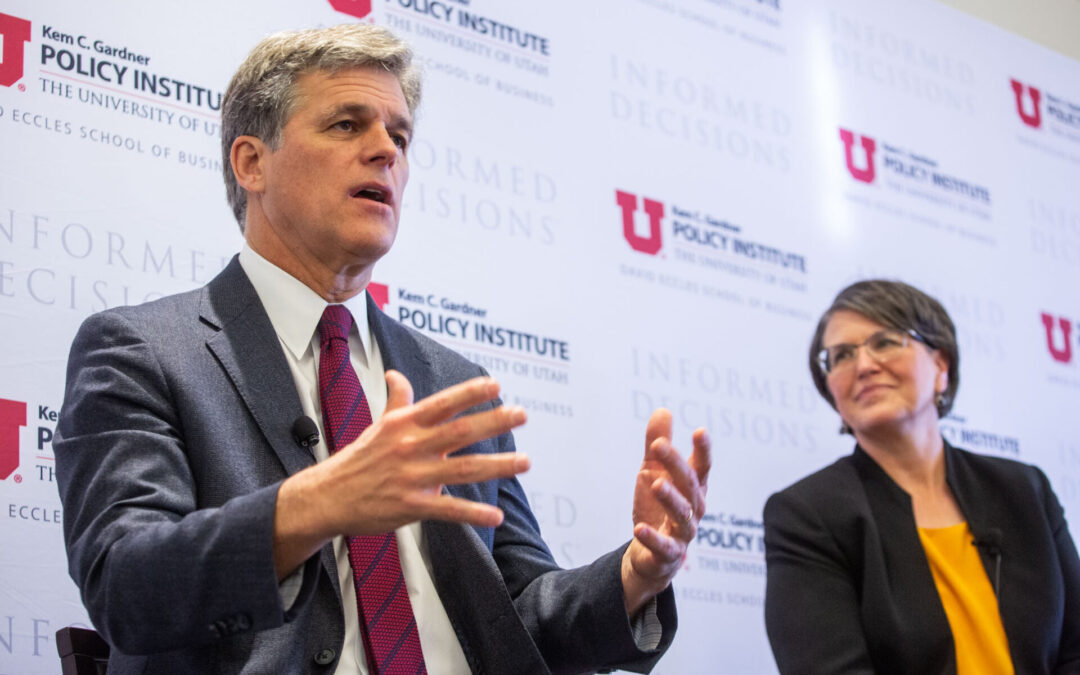
Across the U.S. political spectrum, contempt is on the rise. So too is acceptance of violence as a political tool.
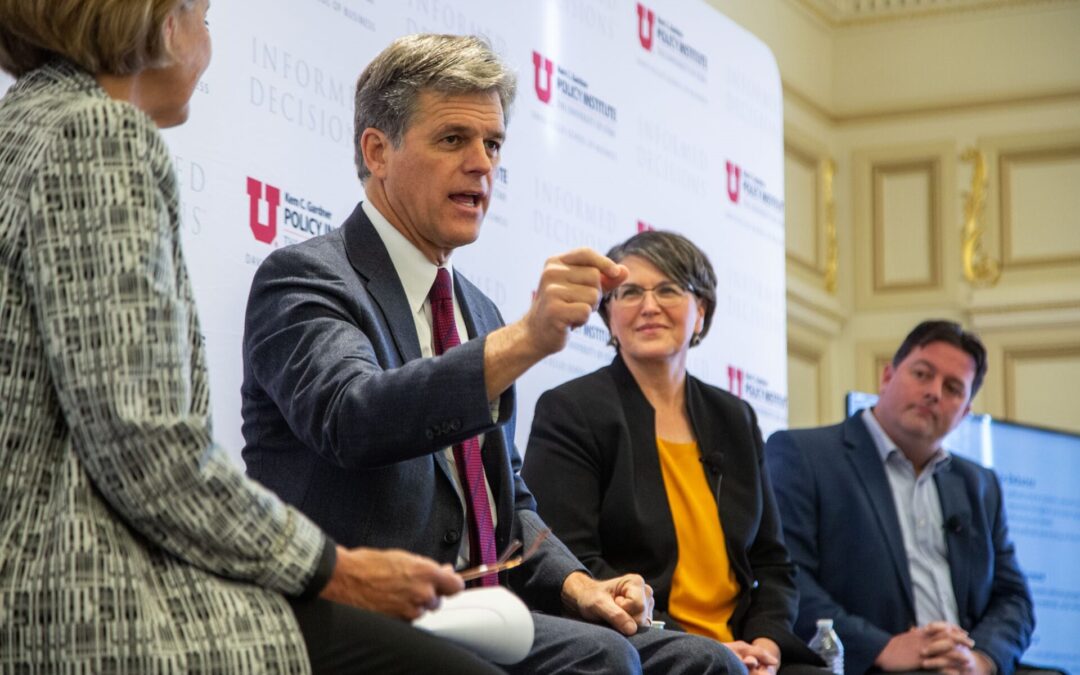
Change has to start with us,” Shriver believes. “We all have some responsibility for our division. It didn’t just happen to us. We’re doing this to ourselves, and we can undo it.”
We must disabuse ourselves of the false notion that the church is apolitical. We must overcome the concept, so commonly taught among us, that we might somehow, in separating church from an influence over the state or the state having influence to keep us from being church in certain ways, arrive at some spiritual state of political innocence in which spirituality or religious life is not political.