The question we should be asking, and singing, is not “Mary, did you know that your baby boy would one day rule the nations?” Instead, we should ask why Mary would not be welcome in many pulpits, and why other women whom God has called, remain excluded from the pulpits and leadership of so many churches.
During this Advent season, I invite you to spend less time pondering your problems, and more time counting your blessings. Count the blessings God bestowed upon you in the past. Count the blessings God is bestowing on you right now. Then consider all the blessings God is holding in store for you in the future and even into eternity.
Amid bleak and uncertain reality, how could Elizabeth experience an inner surge of joy? How could Mary sing of her soul magnifying the glories of God—of a divine power who had done great things for her and for humanity? I imagine that the rituals of their religious tradition, intentionally enacted through storytelling, singing, and Shabbat, placed the realities of the world in a greater context, affirming the presence of the Divine, their identity as a chosen community, and the promise of their future.
In this time of pandemic, what would it look like to visit the sick and imprisoned, to provide food and water for the hungry and thirsty, to welcome the stranger, not because we have something to offer, but because we know that in doing so we meet Jesus?
The growth of cities, with more than half the world’s population now living in urban areas, means the prevalence of artificial light, or light pollution, blocks the ability of many to enjoy the splendor of the night sky. Increasingly, people live under a blanket of darkness rather than a curtain of stars.
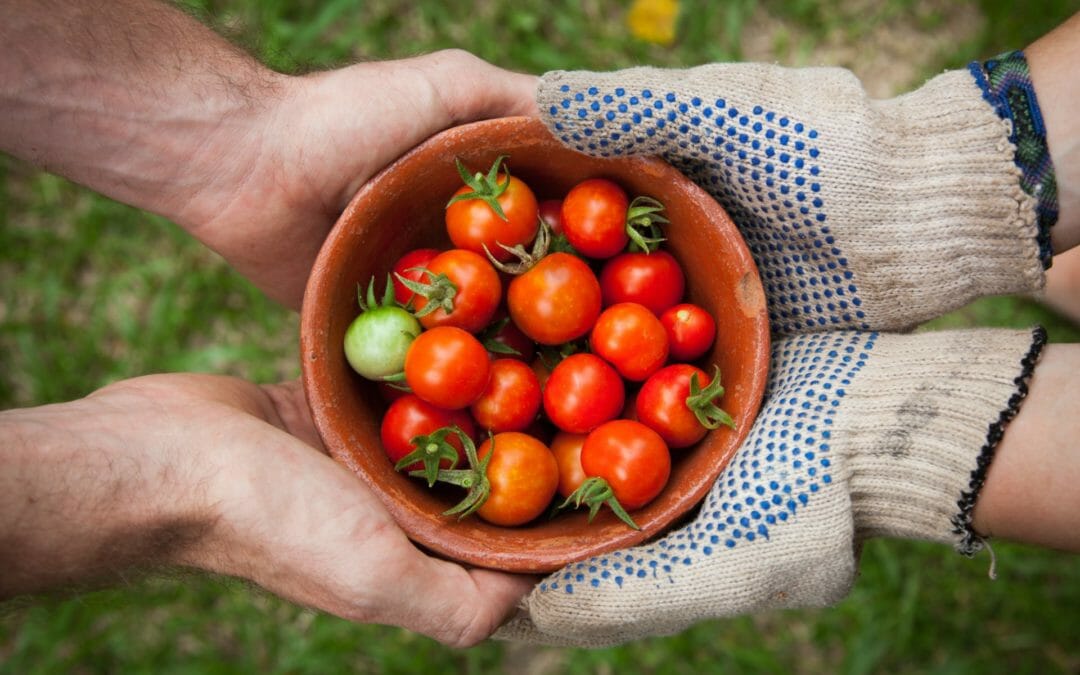
Agrarianism is a way of life that teaches us how to till and keep God’s life-giving garden (Genesis 2:15). Although most of us aren’t farmers, we are all called to work, eat, play and celebrate in ways that honor God and preserve the gift of creation.