Informándose sobre recursos para familias pobres: ayudas federales, etc. Siendo parte de colaboraciones para crear recursos para familias inmigrantes ya que estos no tienen acceso a ayudas federales. La iglesia puede crear redes informales entre congregaciones y agencias sociales. También podemos trabajar con servicios sociales para mantener contacto con niños que han tenido que ir a cuido de crianza.
Being truly grateful to God most merciful and kind for a fruitful and satisfying ministry, my desire is to be a friend to younger men and women in Christian ministry, and to encourage them and hold them up in prayer so that they may reach their potential in Christ, balancing their prophetic and priestly roles.
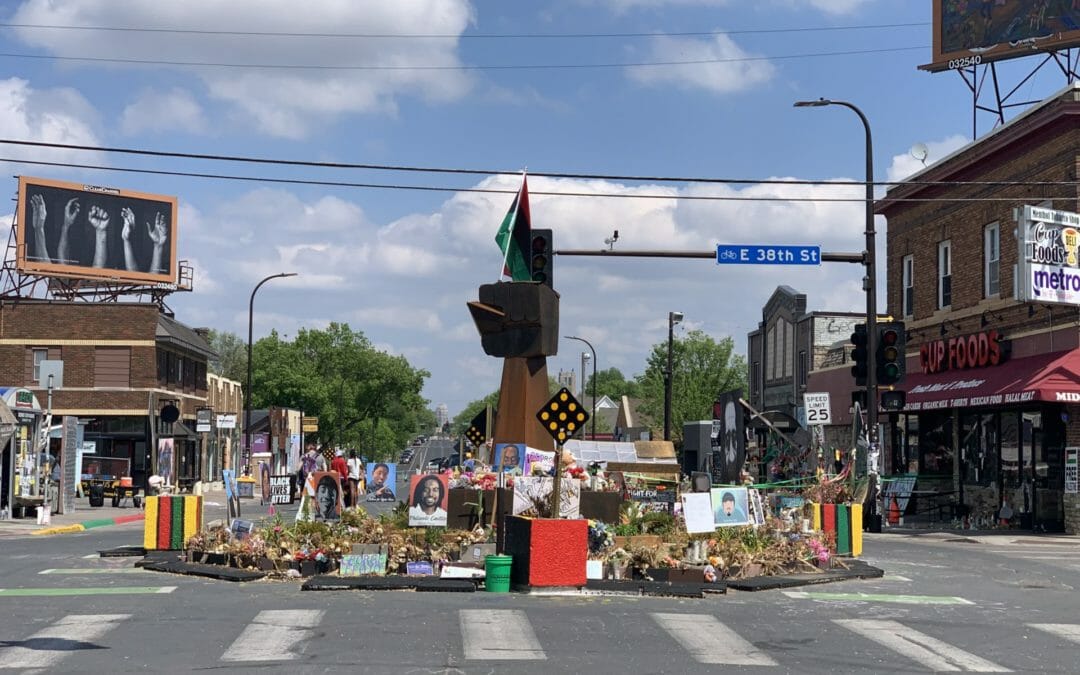
I, and the Christian community of Minneapolis, cannot resurrect George Floyd, but we can do everything we can to create a community where BIPOC neighbors have lungs full of breath and where they live long, happy, fulfilling lives.
Listening evaluatively is the mark of a thinking mind. After the wars of disinformation which we experienced in the past half decade, we must rethink how we listen and how we think. I crave evaluative listening skills for my grandchildren, for my neighbors and friends, for all who sit in the pews, for all who vote, and for all who watch, read, or listen to the news. But I cannot wish it for another until I engage in it myself. So, may I practice what I preach, and may all of us desire to grow in our skills as people who think critically and listen evaluatively.
As ministry leaders look to guide congregations through and past the challenges of the COVID-19 pandemic, many are beginning to think about what the Church will look like moving forward.
If part-time ministry supported by secondary (and sometimes tertiary) employment is truly “the wave of the future,” we desperately need to face the elephant in the room. We need to have honest, straightforward, and faithful conversations about clergy compensation and how the church can lead in economic justice.