
Be the least anxious person in the (virtual) room
It’s impossible to be in a climate like this and not be affected by the anxiety swirling around. What’s a leader to do? You can’t manage other people’s anxiety for them, but you can work on your own.

It’s impossible to be in a climate like this and not be affected by the anxiety swirling around. What’s a leader to do? You can’t manage other people’s anxiety for them, but you can work on your own.

This Easter many Christians, perhaps most, will gather as the earliest Christians did—in homes. Unlike those early Christians, they will do so as individual families connected, if at all, through online platforms and streaming services. Like those who preceded them in the faith, they will break bread and praise God as the church has done through the ages—amid war, peace, famine, plenty, pandemic, plague, freedom, oppression.
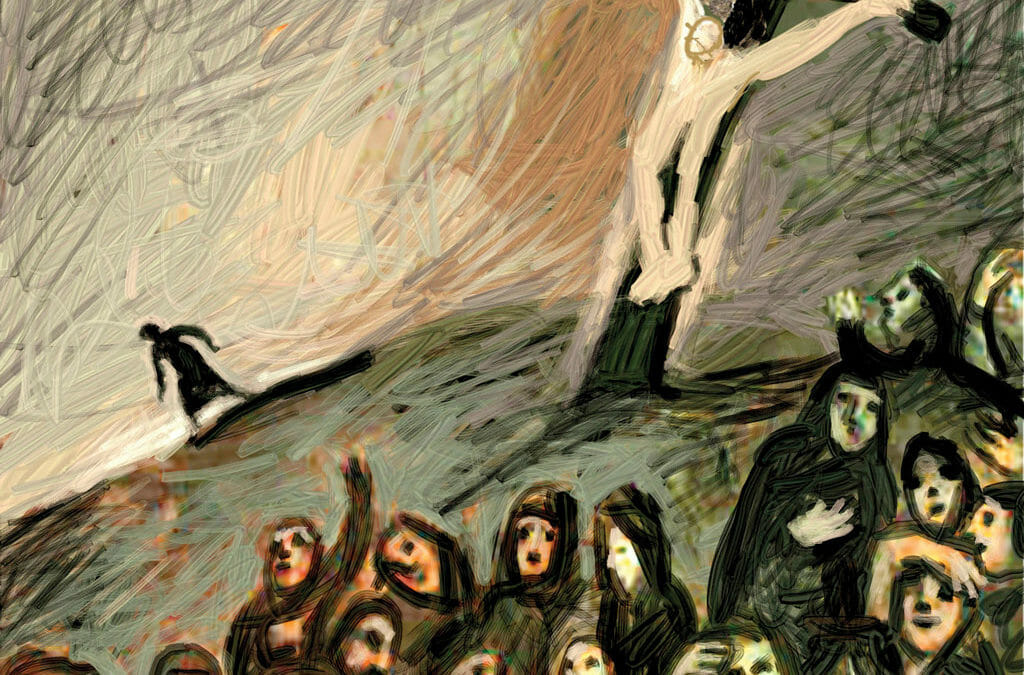
The Lenten season and Holy Week recall gospel lessons and other passages of Scripture appropriate to the season, yet we need to ask if we read these sacred texts of “Old” and “New” Testaments with awareness of the history that has unfolded over the past two millennia.
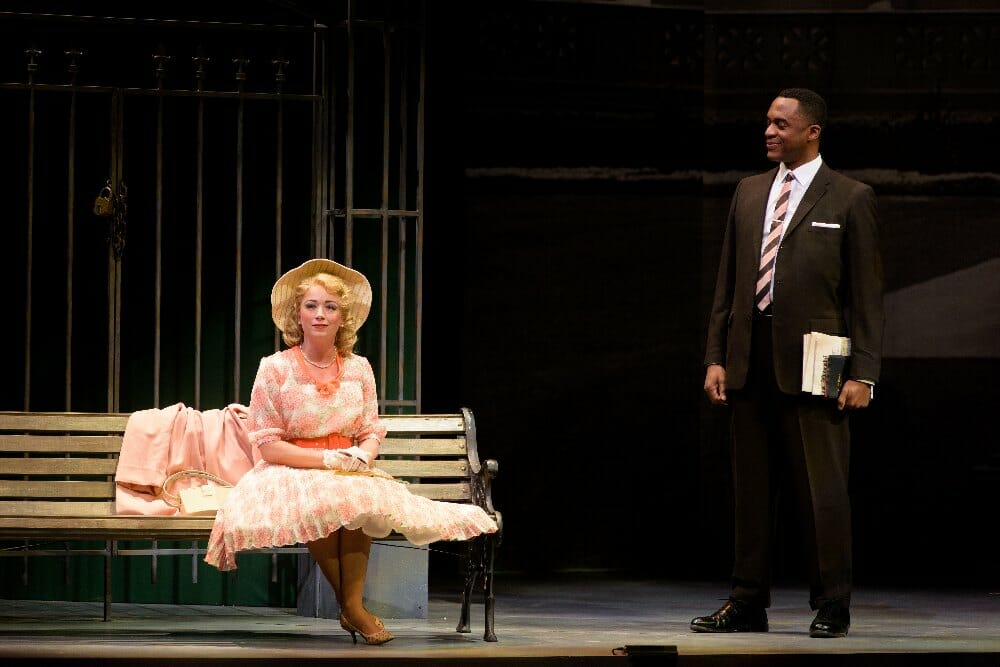
Kenneth Jones’ recent play “Alabama Story,” set in Montgomery in 1959, reminds us to remember the past and live for a different future.
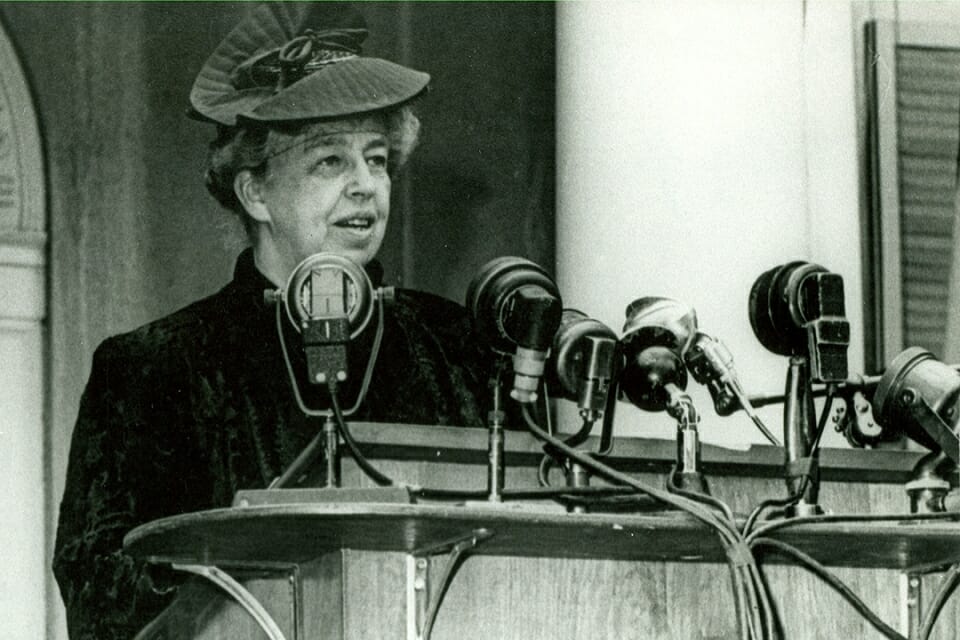
Eleanor Roosevelt’s story is compelling. And her own words and example are inspirational and challenging. Here are three ways that we can lead as she did, with her own words to reinforce them.

African American women learned that education was the means for advancement. Through oppression, they recognized the inclusivity of all as a requirement. Embracing unity, they realized that the target of their efforts had to be the community. And girded by faith, African American women looked to God for perseverance.