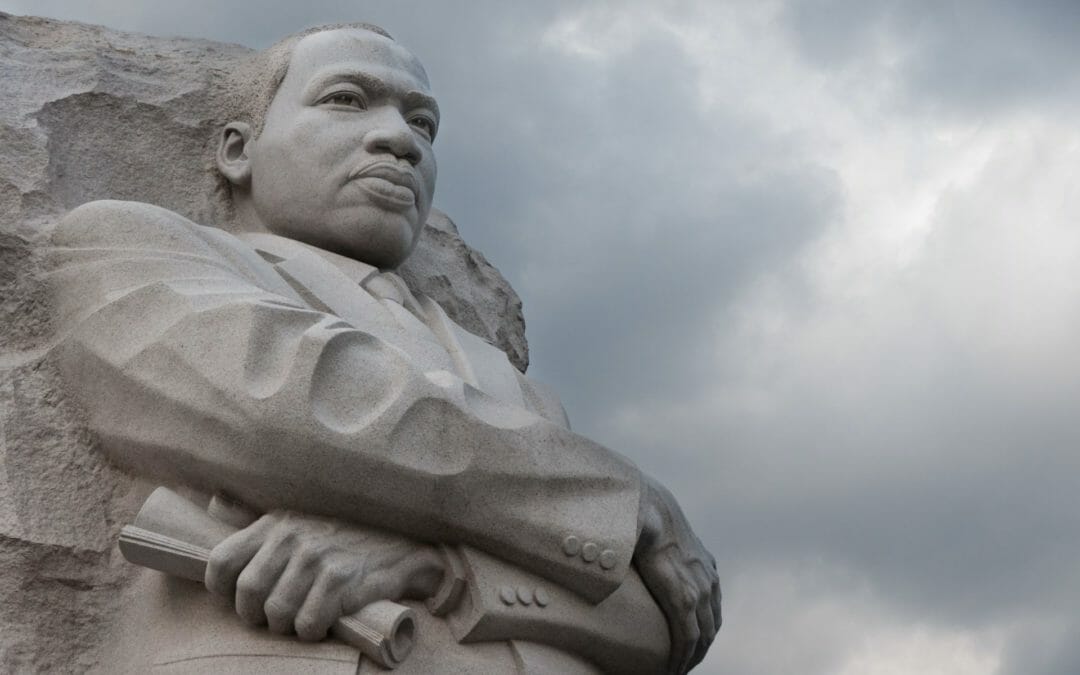
An education system that results in a marginalized people with a subordinated sense of self or an inflated elitism by those in the majority must be regarded as immoral. However, when education can inspire a critical consciousness, people gain a greater awareness of self, which engenders dignity, fuels a transforming sense of agency, and inspires hope.
Readers in 2022 have the dual task of hearing King’s word to the Montgomery faithful and acknowledging how in need of this word we are as well. The work of civil rights is far from over, and the past few years in the United States have demonstrated deep rifts in the way our politics, economics, and society function.
The way Thomas alludes to the wise men as “three waves from afar” who kneel in their own way, “offering their gifts to what they don’t understand” sticks with me this season. This striking image suggests we are capable of embracing the truth of the incarnation, even as we are limited in our ability to understand it. To paraphrase Saint Anselm, faith seeks understanding on the way to Bethlehem and beyond.
The question we should be asking, and singing, is not “Mary, did you know that your baby boy would one day rule the nations?” Instead, we should ask why Mary would not be welcome in many pulpits, and why other women whom God has called, remain excluded from the pulpits and leadership of so many churches.
In this time of pandemic, what would it look like to visit the sick and imprisoned, to provide food and water for the hungry and thirsty, to welcome the stranger, not because we have something to offer, but because we know that in doing so we meet Jesus?
The growth of cities, with more than half the world’s population now living in urban areas, means the prevalence of artificial light, or light pollution, blocks the ability of many to enjoy the splendor of the night sky. Increasingly, people live under a blanket of darkness rather than a curtain of stars.