
Prayer and the news
Consider developing a “rule of life” in relation to news. How might you bring a practice of prayer into your engagement with the media?

Consider developing a “rule of life” in relation to news. How might you bring a practice of prayer into your engagement with the media?
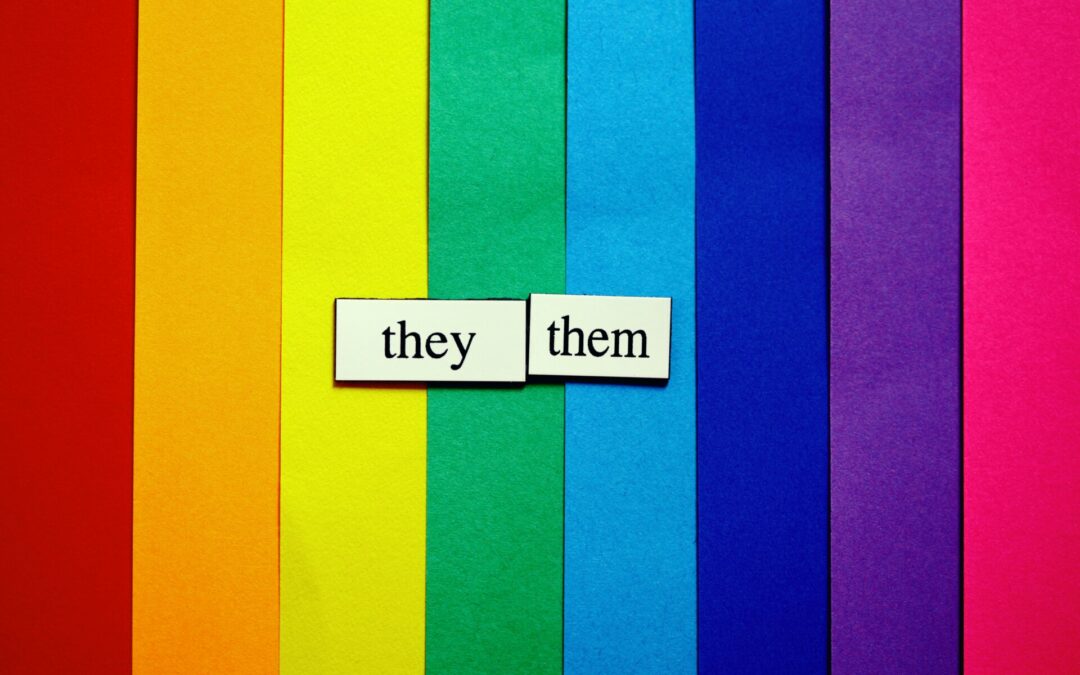
Why should persons like myself who have received the same gift of saving faith – who pray, read the Bible, come to worship and who are active members in religious and civil society – why should we be condemned by some of our kin in the Church and by fellow citizens in our nation?
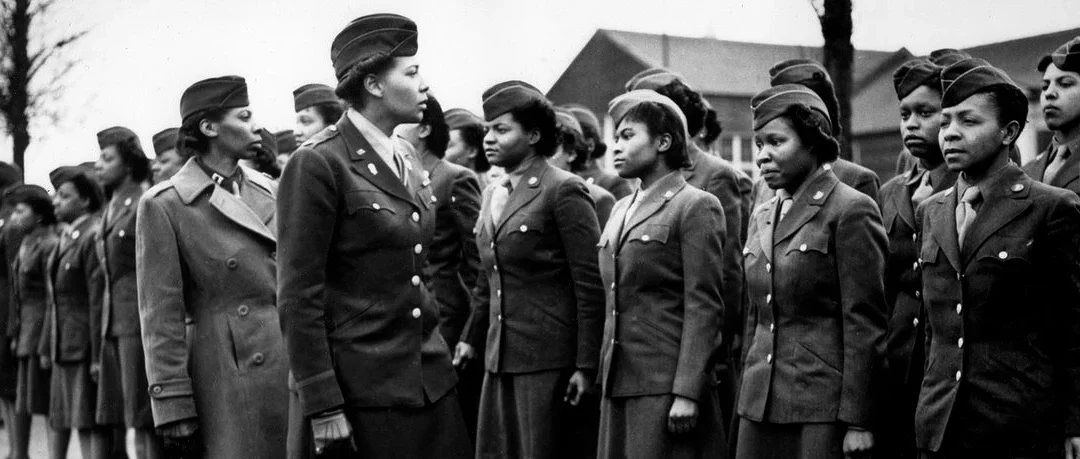
How do we tell a fuller swath of history to the next generation, without falling into the habit of downsizing U.S. history into ever simplified narratives around heroism and achievement? What happens when those in power and dominant places in culture and politics become allergic to or threatened by the desire to respect history with nuance and complexity?
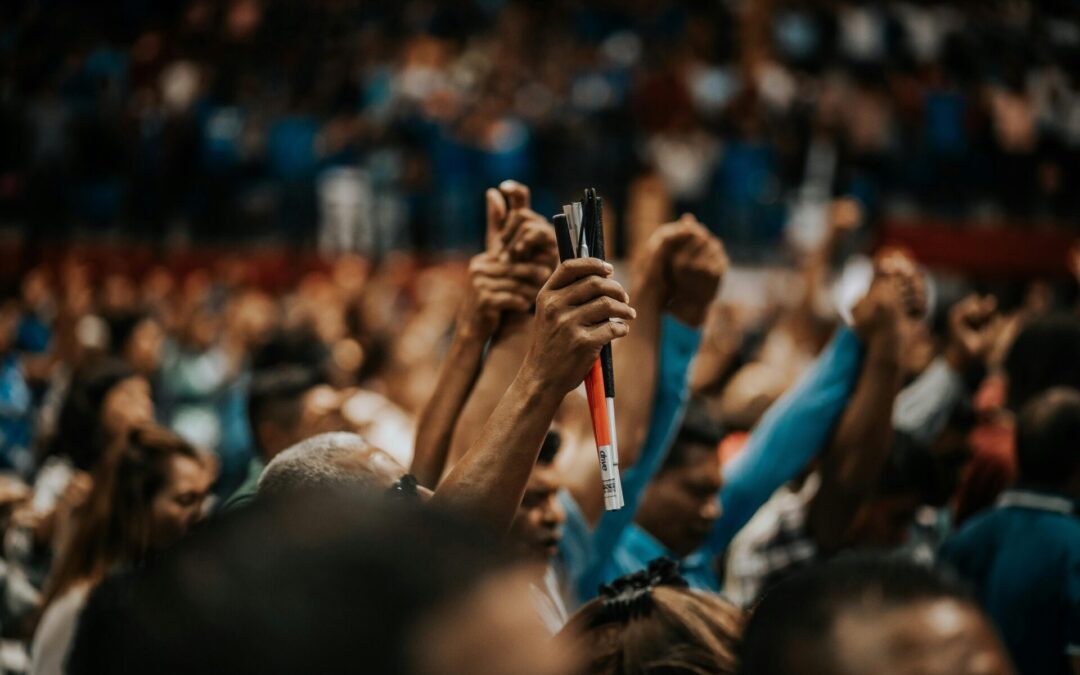
Building an intergenerational church requires a shift in mindset. It requires a commitment to creating an inclusive environment where everyone, regardless of age, feels they have a place and a voice.
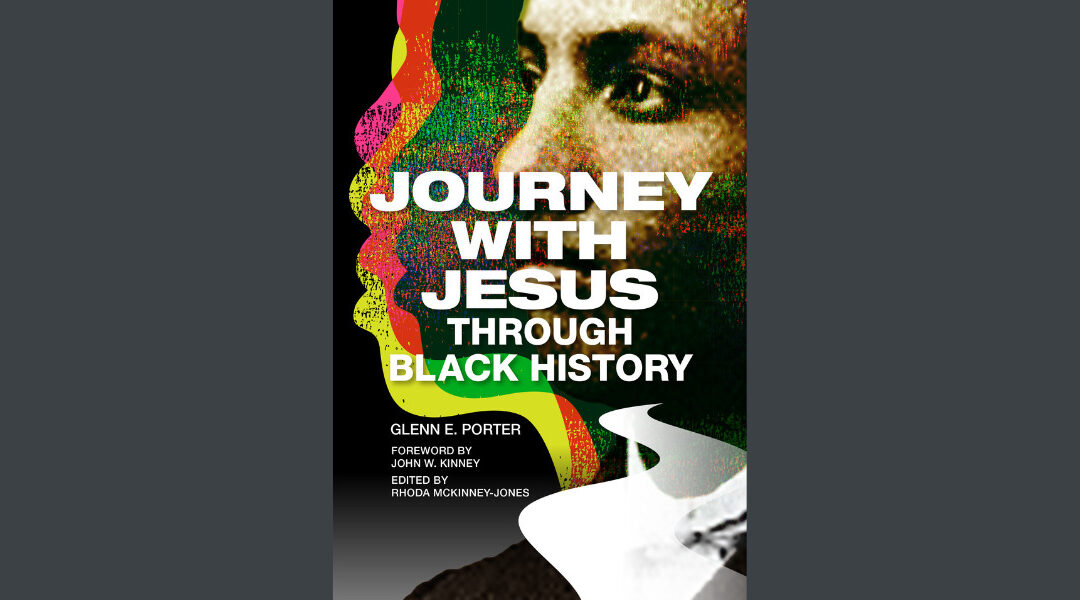
Just as Luke felt compelled to offer a trustworthy narrative of his experience with Christ, so did Carter G. Woodson as it related to the rich history of African Americans.
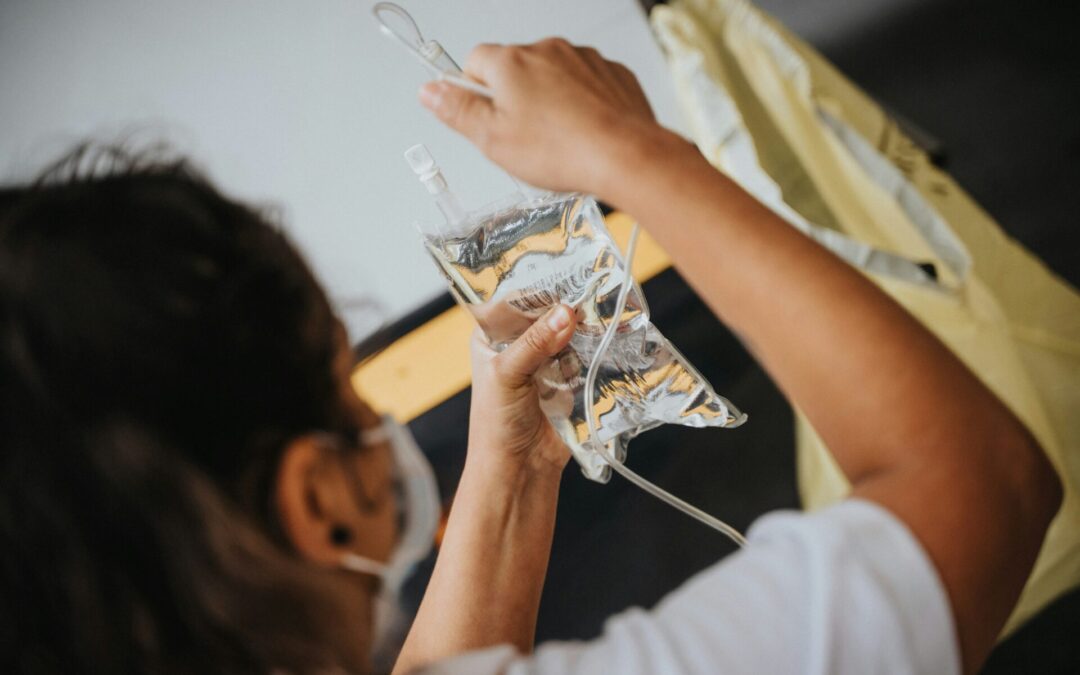
In a globalized world where a disease outbreak in one country can turn into a pandemic, where natural disasters, conflicts, and the people displaced by them cross borders, does withdrawing U.S. aid and collaboration with other nations in addressing these risks make America safer? Does reneging on commitments we have already made to other nations, damaging trust and credibility in the United States abroad, make us stronger? Does abruptly cutting thousands of American jobs related to international aid make America more prosperous?