
Hand washing, hoarding and the healing of Naaman
Healing and wholeness are found in washing in the muddy rivers of our own lives. They are found in everyday practices that align our resources with God’s values.

Healing and wholeness are found in washing in the muddy rivers of our own lives. They are found in everyday practices that align our resources with God’s values.

As we enter the season of Lent, imagine with me that we might actually live Lent in our very bodies, and not just think about it.
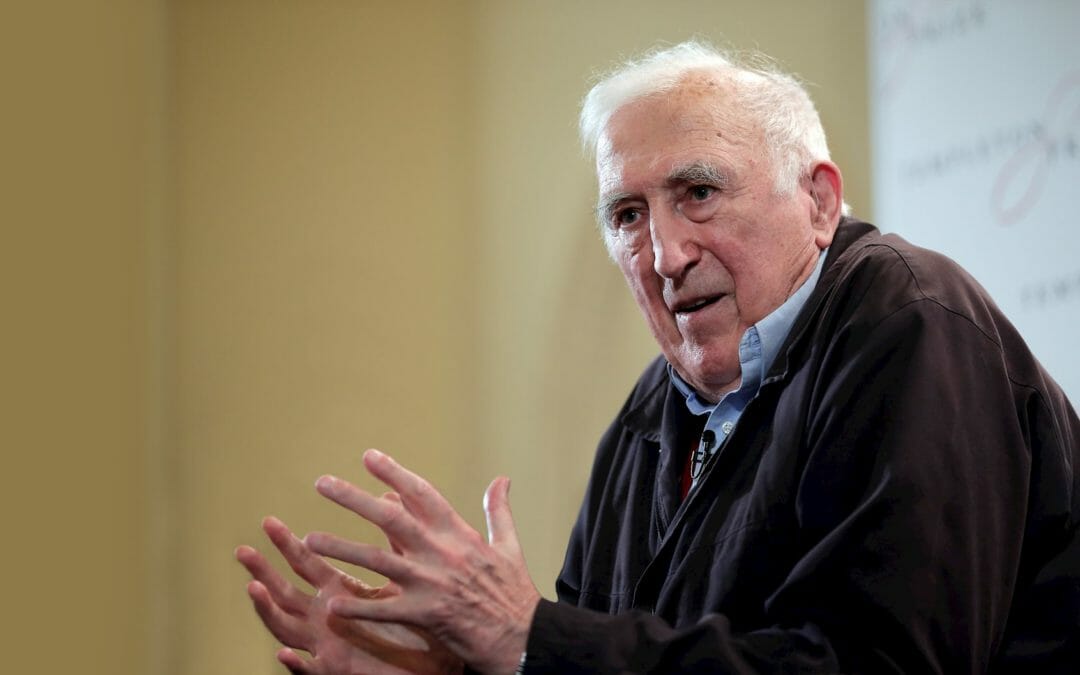
If Jean Vanier did not recognize the connection between his own wounds/sins and what he did and taught, that is yet more evidence of the far too human capacity for self-deception. If he did, then the tragedy is that he did not come clean, be open, repent, ask for forgiveness, and look for his own healing more honestly. Vanier has left that responsibility to his greatest contribution and legacy, the L’Arche community. The tragic irony is that in their commitment to the soul of L’Arche, they knew they had to be perfectly honest and transparent about the brokenness of their beloved leader and the mentor to so many of us.

Instead of fighting over the last roll of paper towels or loaf of bread, we are probably better served checking in with our neighbors, doing what we can not to spread the virus to others—living out an ethic of care.
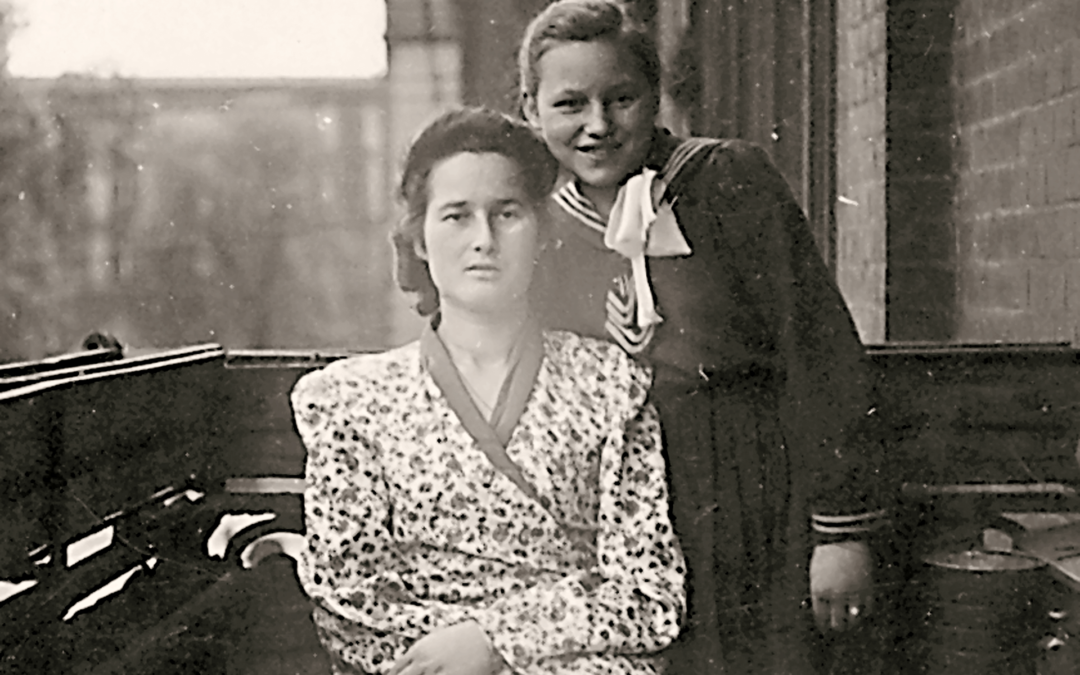
One way of reading the story of Martha and Mary from Luke’s Gospel is that contemplation is preferable to action. Another way of reading it is that some circumstances call for contemplation, for listening, for stillness; others call for active response.
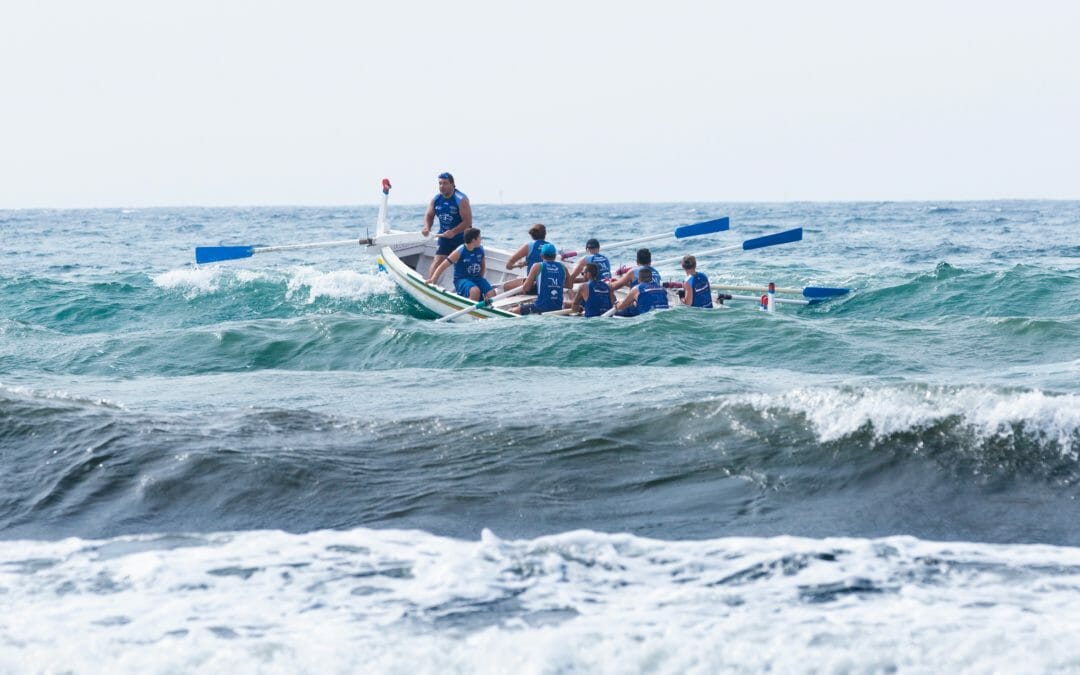
Is Recreational Complaint Syndrome holding your church back? Don’t let this sink your church.