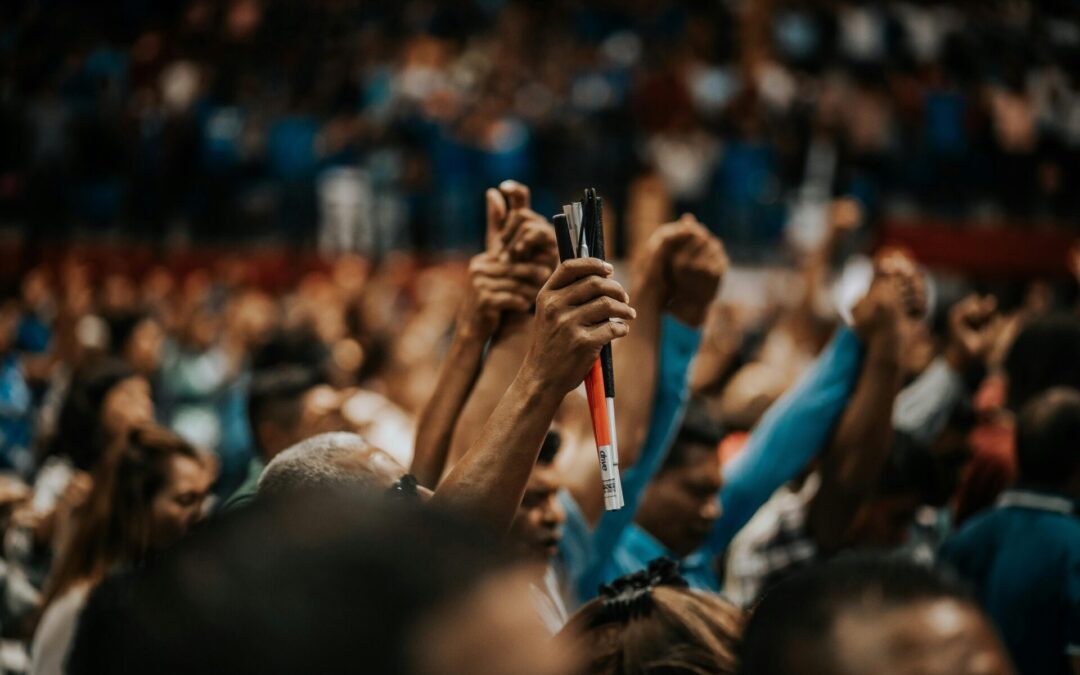
Building an intergenerational church
Building an intergenerational church requires a shift in mindset. It requires a commitment to creating an inclusive environment where everyone, regardless of age, feels they have a place and a voice.

Building an intergenerational church requires a shift in mindset. It requires a commitment to creating an inclusive environment where everyone, regardless of age, feels they have a place and a voice.
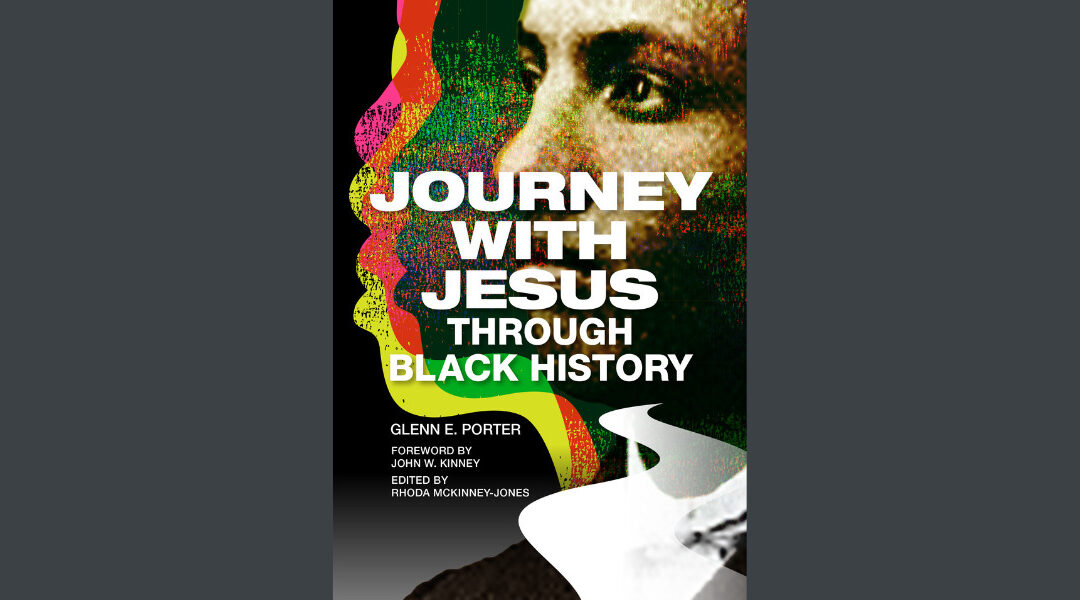
Just as Luke felt compelled to offer a trustworthy narrative of his experience with Christ, so did Carter G. Woodson as it related to the rich history of African Americans.
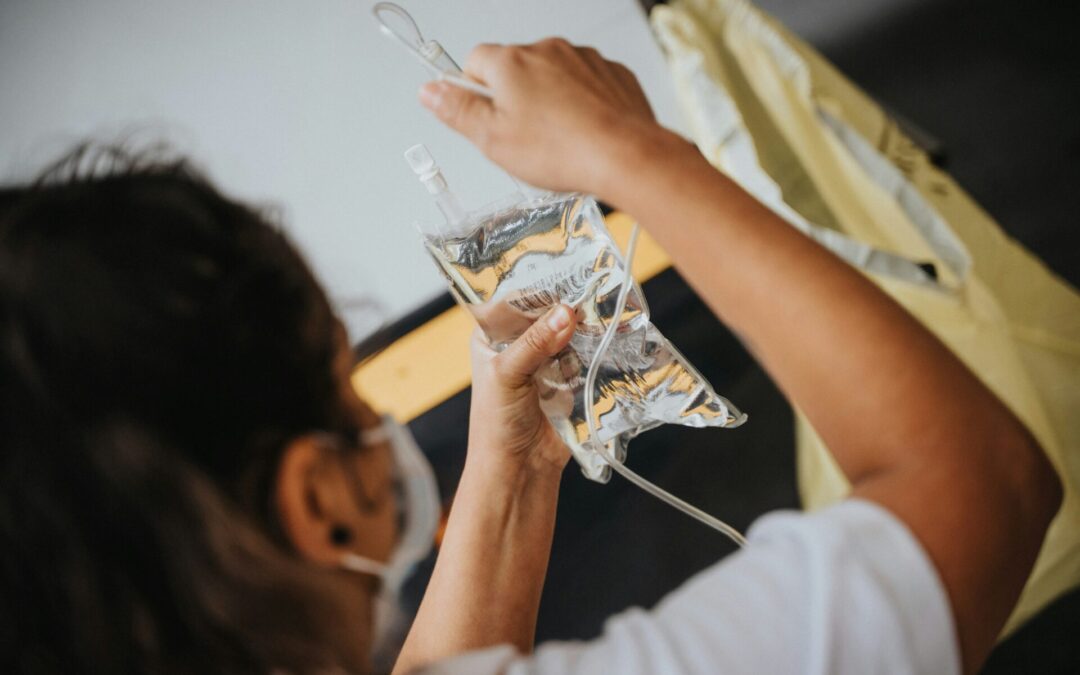
In a globalized world where a disease outbreak in one country can turn into a pandemic, where natural disasters, conflicts, and the people displaced by them cross borders, does withdrawing U.S. aid and collaboration with other nations in addressing these risks make America safer? Does reneging on commitments we have already made to other nations, damaging trust and credibility in the United States abroad, make us stronger? Does abruptly cutting thousands of American jobs related to international aid make America more prosperous?
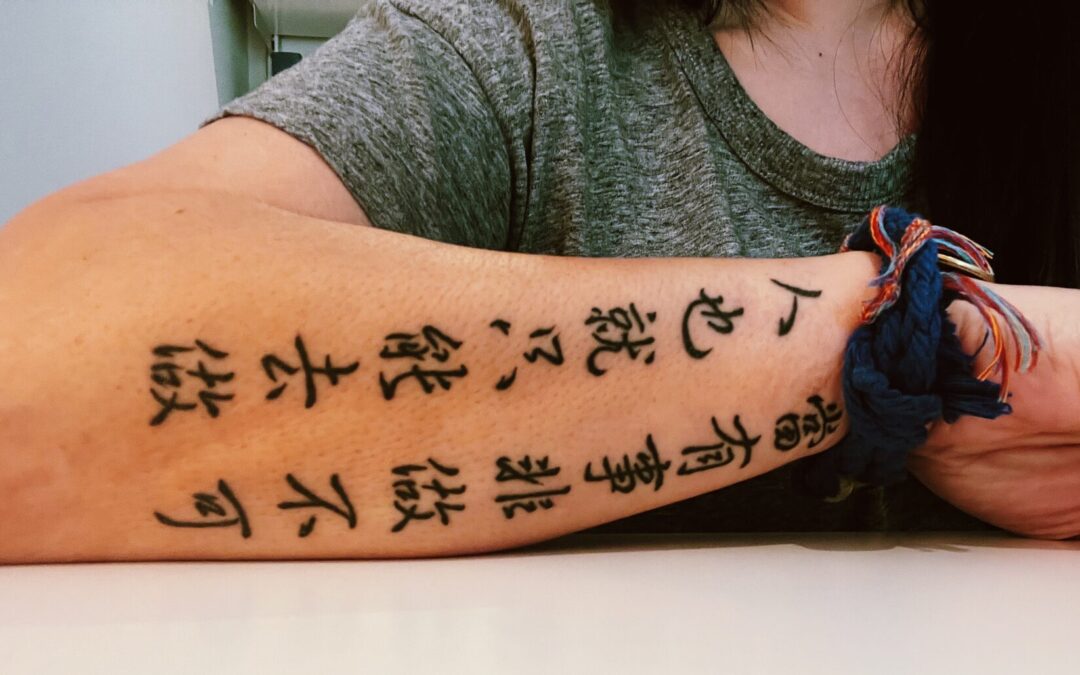
If our bones are alive, if they carry in them strength of our ancestors, trauma of humanity’s transgressions, even predispositions for nutrition… if they—like the Scriptures say—have the capacity to be troubled, to ask questions, to experience restoration, to be reanimated as recipients of God’s ruah (breath), then we have to wonder, what is in our bones?

If we abstain from involvement in the development of AI and future technology, we relinquish our voice, allowing corporations and politicians to dictate the trajectory of technological evolution without the balance of our missions’ moral compass.
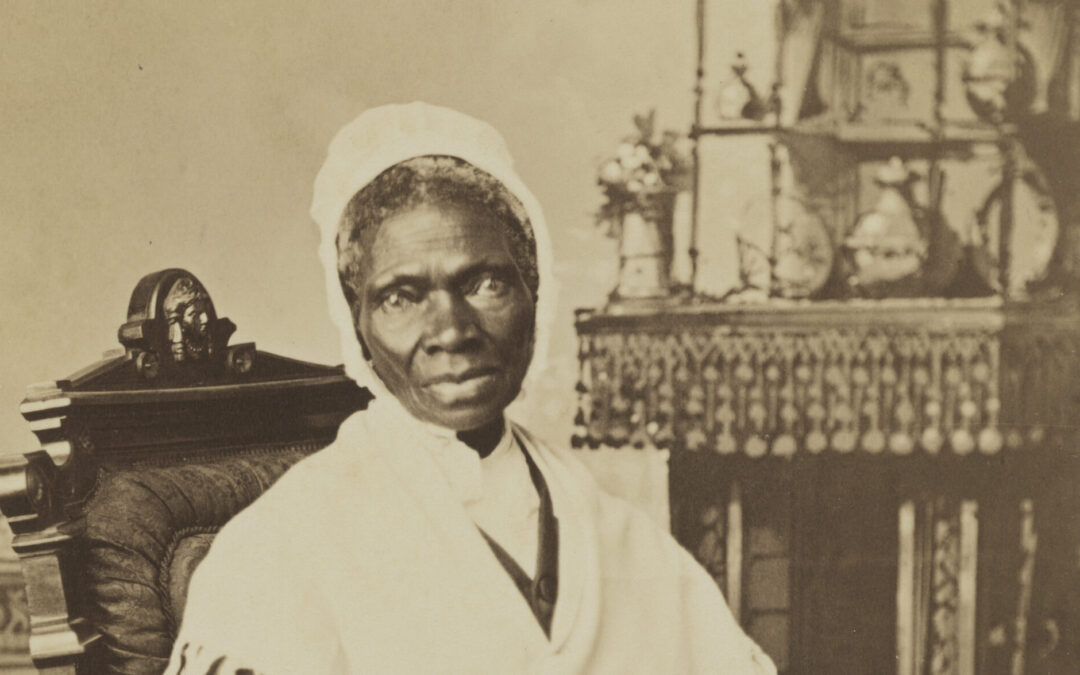
Sojourner Truth was a beacon of justice that lights our way to a world in which all God’s children flourish. Her legacy continues to inspire us to move towards a vision of an equitable, just society.