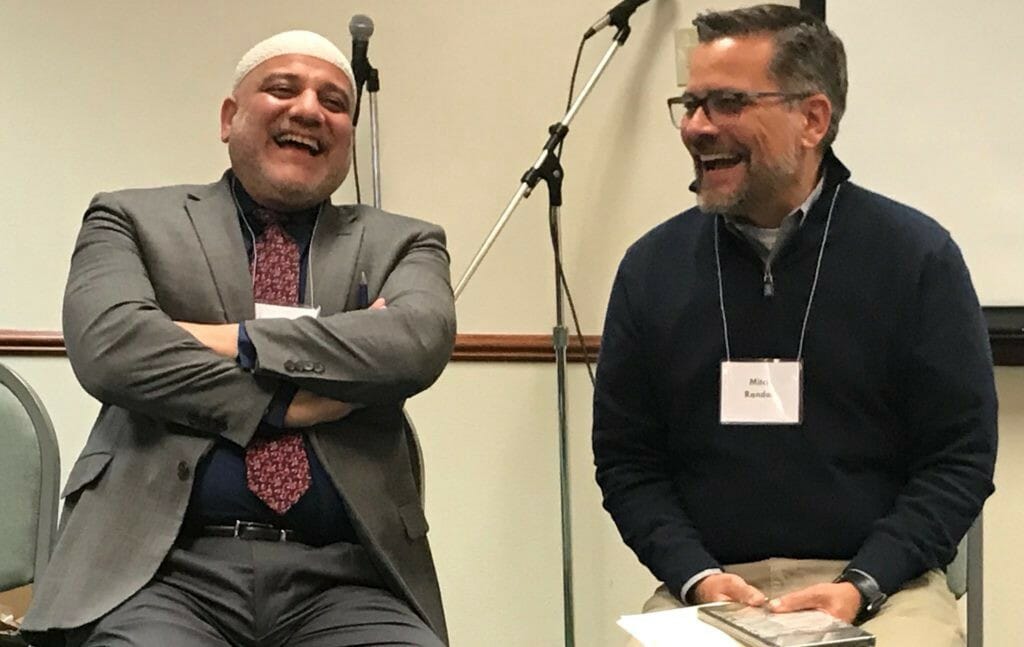
When spiritual siblings unite for the common good
Interfaith dialogue means more than words; it means connecting with our common humanity and collaborating in efforts that uphold the common good for all peoples.

Interfaith dialogue means more than words; it means connecting with our common humanity and collaborating in efforts that uphold the common good for all peoples.

The characters that make up the word crisis in the Mandarin and Cantonese languages of China are a combination of the English words danger and opportunity — an appropriate way to look at the state of the church and Christendom today.

The need for personal relationships with those of other faiths and a deeper understanding of one another’s faith and heritage grows more urgent by the day.

What are the promises and pitfalls of these texts with respect to issues of disability? How are they freeing or confining? How do we conduct church in light of our attitudes related to disability dictate?
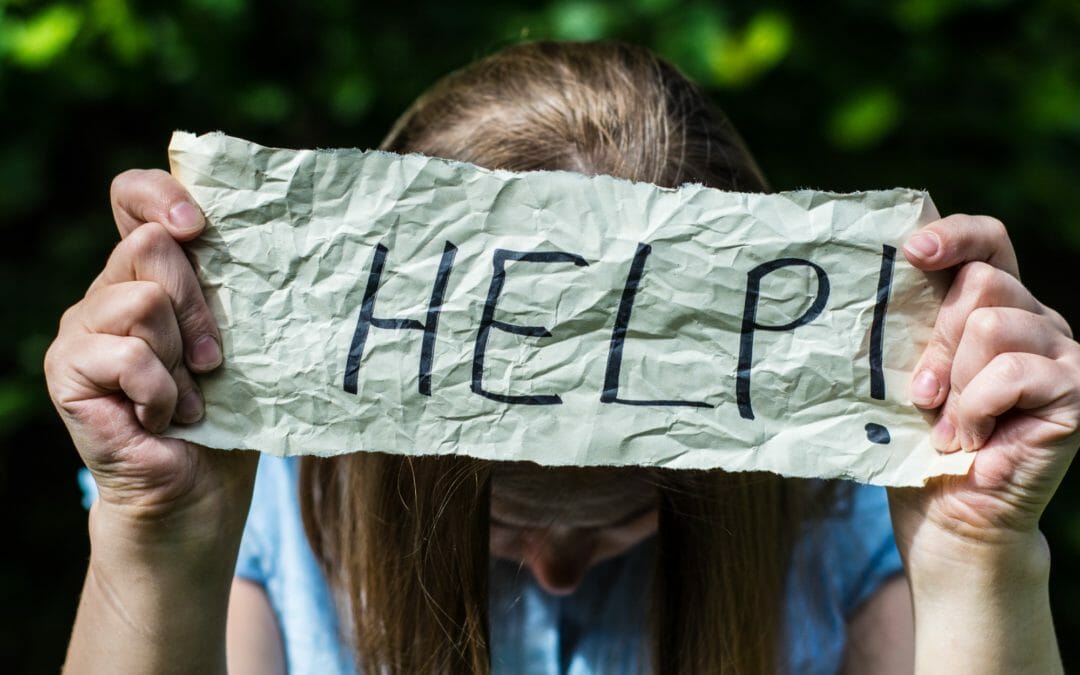
Nearly one in five of us — 18 percent — has an anxiety disorder. We spend over $2 billion a year on anti-anxiety medications. College students are often described as more stressed than ever before. Anxiety in children is also on the rise. Faith communities are one place to lift up the intrinsic goals of finding meaning, worth and purpose through the shared values of a caring community.
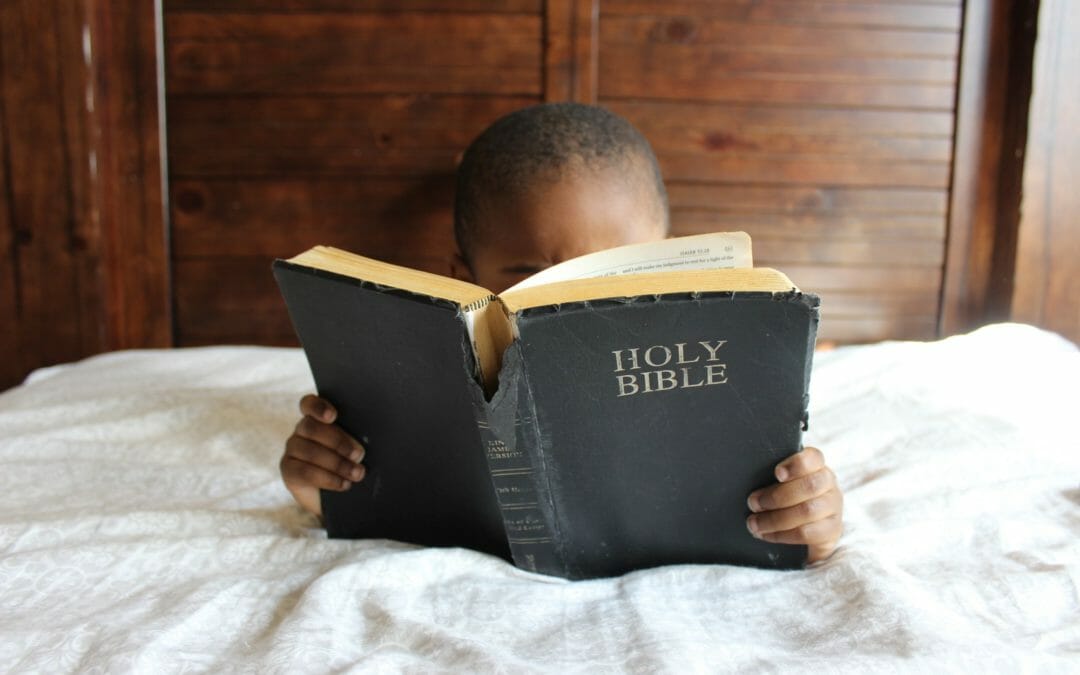
Raising children in faith is one of the biggest responsibilities for faith educators — clergy, lay leaders, family members and others. Lent and Holy Week hold their own particular challenges with stories of Jesus’ life, ministry and crucifixion and themes of sin, betrayal, political machinations, death and resurrection. Such topics are difficult for adults to understand, let alone children.