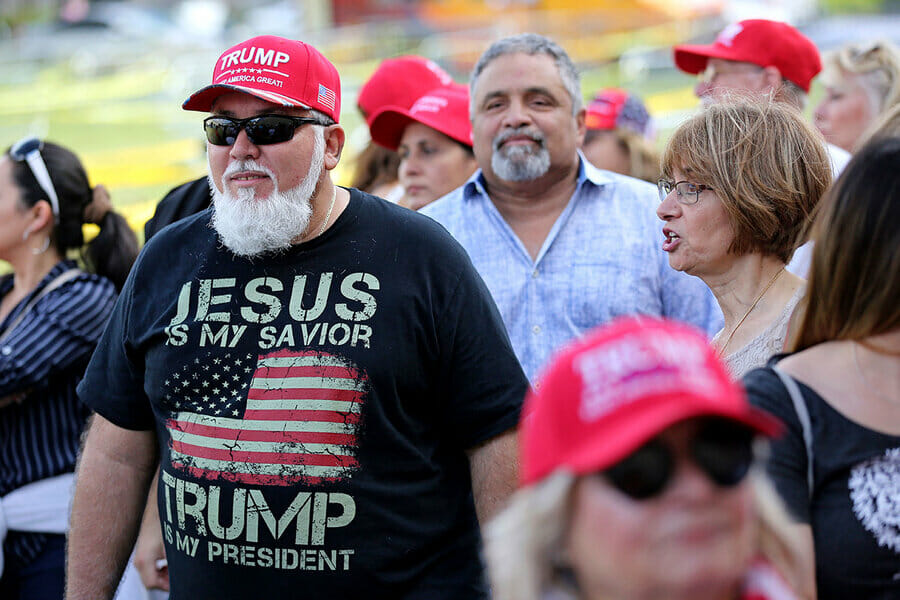
The connection we need to be exploring is what kind of political order is fostered by our fundamental God images, symbols and rituals. How do our basic images of God legitimate or critique our institutions of governance?
Lamentations, arguably, offers an “explanation” which fits one of the dominant frames of the Bible—the Deuteronomic system of blessings and curses—and yet also offers a poetic counter to this theology.
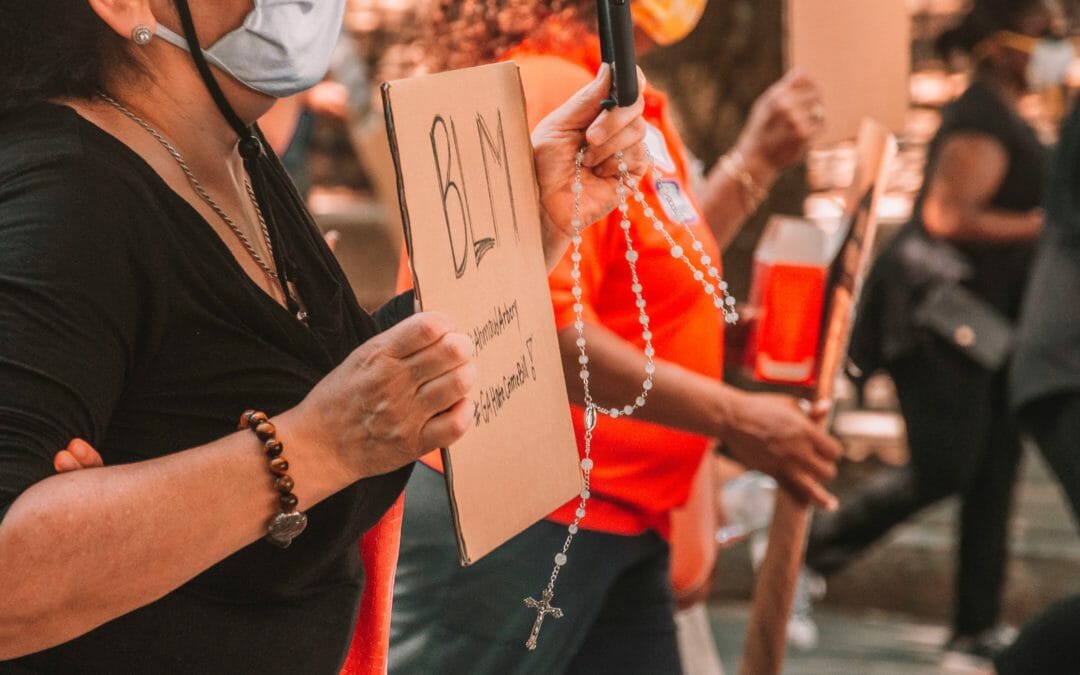
Through belief in Christ, the one who was born and lived among the marginalized, whose death was at the hands of the “powers that be” of this world, and whose resurrection, ascension, and promised return we take hope in, we learn to tell, and live out, a different story. The response of the faithful is not to turn a blind eye toward the sufferings of the world, nor to be willing or silently complicit partners to these sufferings taking root in political, economic, or social policies.
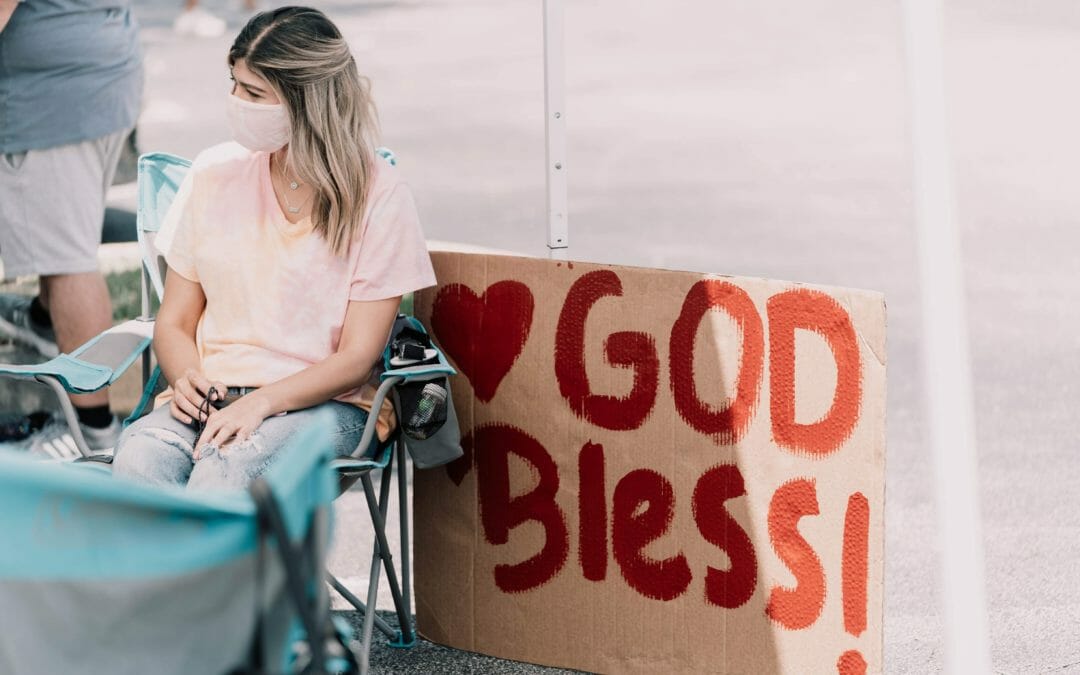
Hebrews 10:24-25 is a command to fellowship and to not stop gathering together as others have done. It is a command to encourage one another. How do we fulfill this biblical command while also following the local authorities’ command to “shelter in place” during these times? What is the role of the church during this historic moment? As some churches are grieving and others are calling this an opportunity for a revival, the inherent complexities of these questions and the reality of how one event can affect individuals differently are on full display.
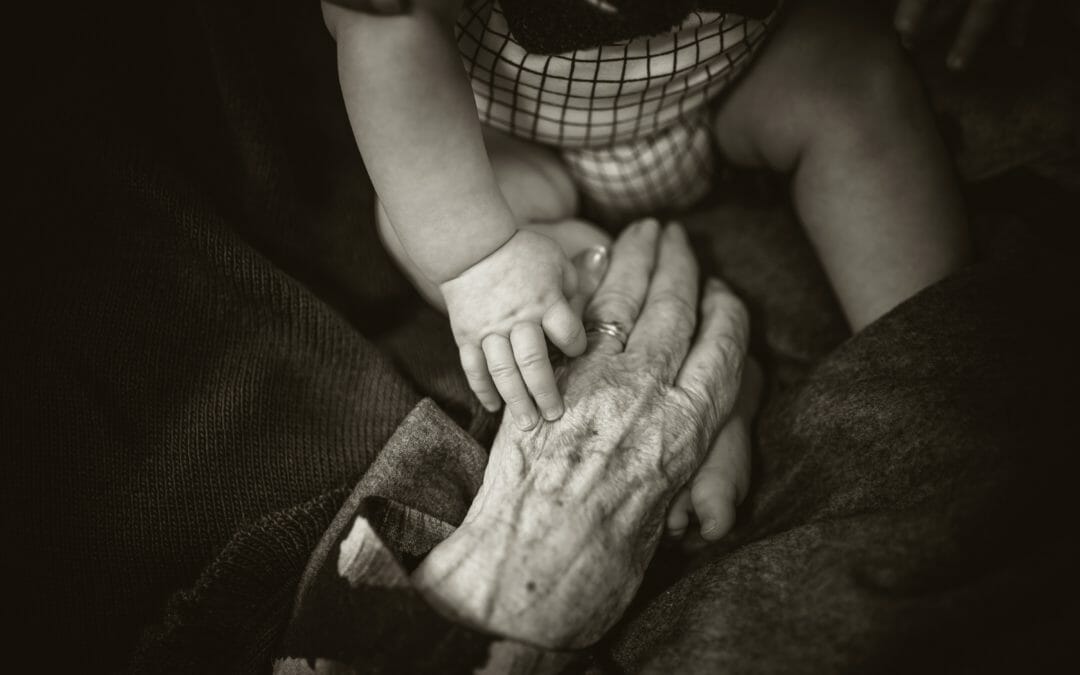
Without negating or disregarding the significance of mothers (Mother’s Day was last month), fathers are critical to the family dynamic. The value of a father’s loving leadership is incalculable.
Father’s Day has arrived yet again, and no situation—no father—is perfect. Perhaps you have an imperfect relationship right now with an imperfect father. What’s your legacy? Visible or invisible, it’s likely there, but you might not have a full grasp of it until he’s gone. And that’s okay. Believe me, you’ll know it when it is upon you, and then it will be your legacy.