We must spend the next few weeks both with bowed heads in prayer and with our eyes and ears alert to what is happening in our communities. Change begins at the local level and continues upward. Until this year I was fairly cynical that my vote could really make a difference, but this year I will vote not only like my life depends on it, but like the lives of the vulnerable and the marginalized around me depend on it too.
To be a Christian citizen is to work together for the common good. If some people are not included in your conception of human flourishing, it is time to reexamine your vision.
Celebrating may seem an odd practice in times where there is much to lament and navigate. I am hopeful congregants will consider offering a word of thanks to their pastors this month. Gratitude and acknowledgment for ministry may be infrequently expressed, but certainly, for your pastor, it will be gratefully received—especially right now.
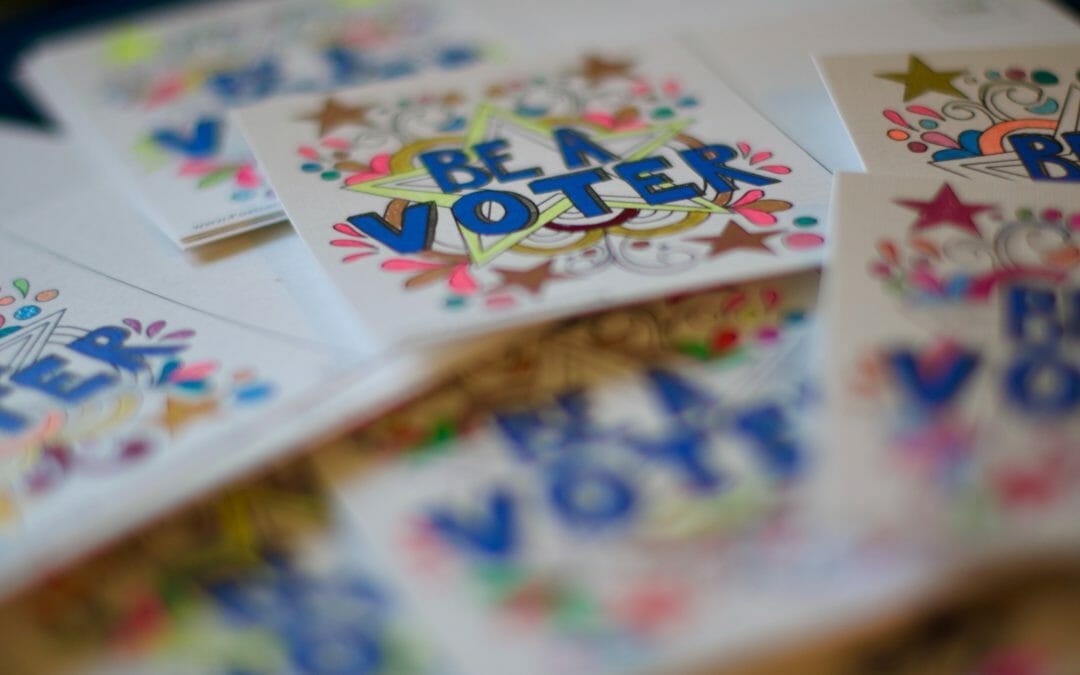
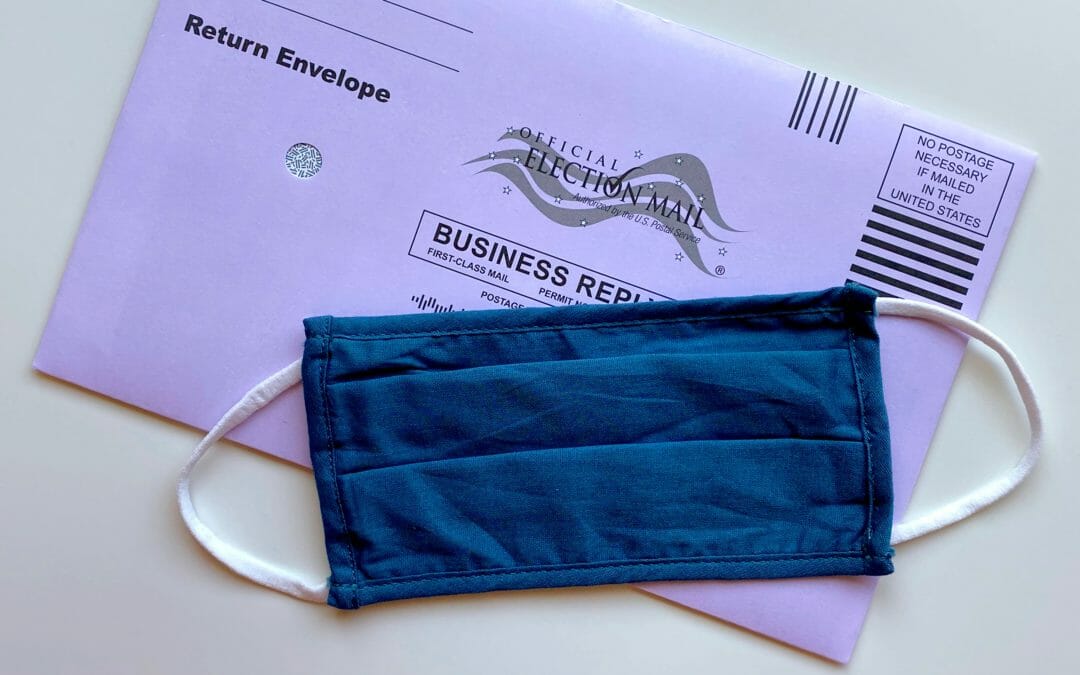
Our United States stands now one month away from an election of what feels like momentous consequence. To think that the November 3 outcome may be cast by little more than half of our voting population threatens our concept of democracy. When marginally more than half of the age-eligible population votes, we don’t hear the voice of the people, we hear barely more than a whisper.
What does third-way wisdom look like in a congregational setting, especially in 2020 when a global pandemic rages and racial tensions flare in the midst of an election year? What can church leaders do to lift disparate people above the cacophony of partisan dog whistles and political posturing?
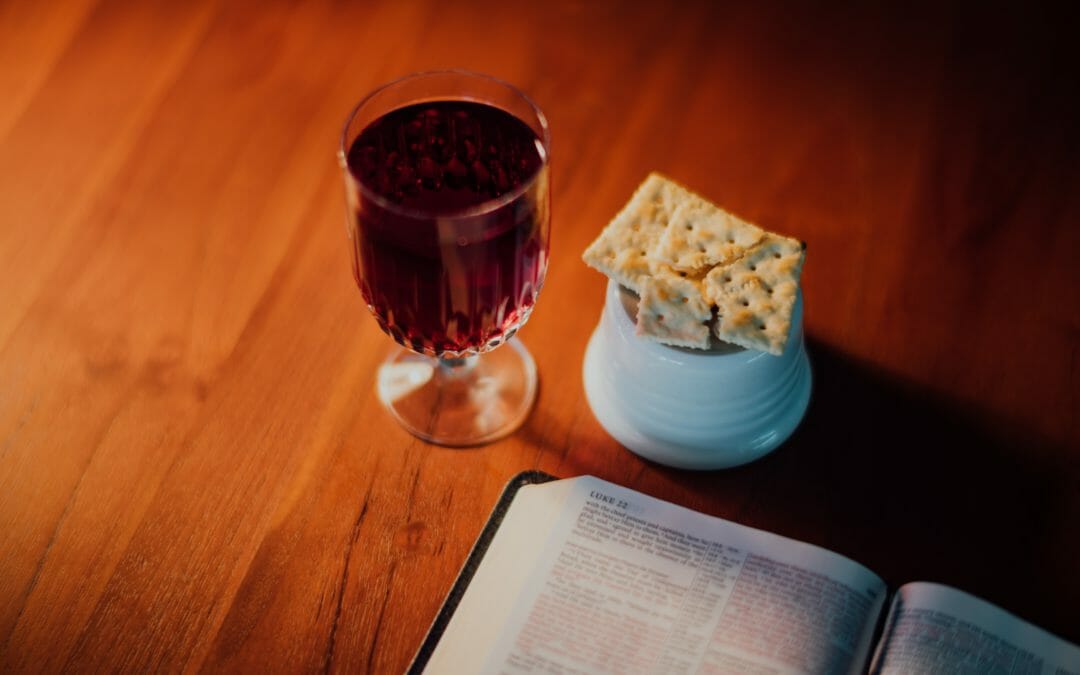
The current pandemic has altered what we do and how we do it; the practice of communion—during the liturgy and in our daily table fellowship—is no exception. Despite our altered circumstances and the deaths of so many, the spiritual food with which we draw and serve continues to multiply. No pandemic is going to alter that.