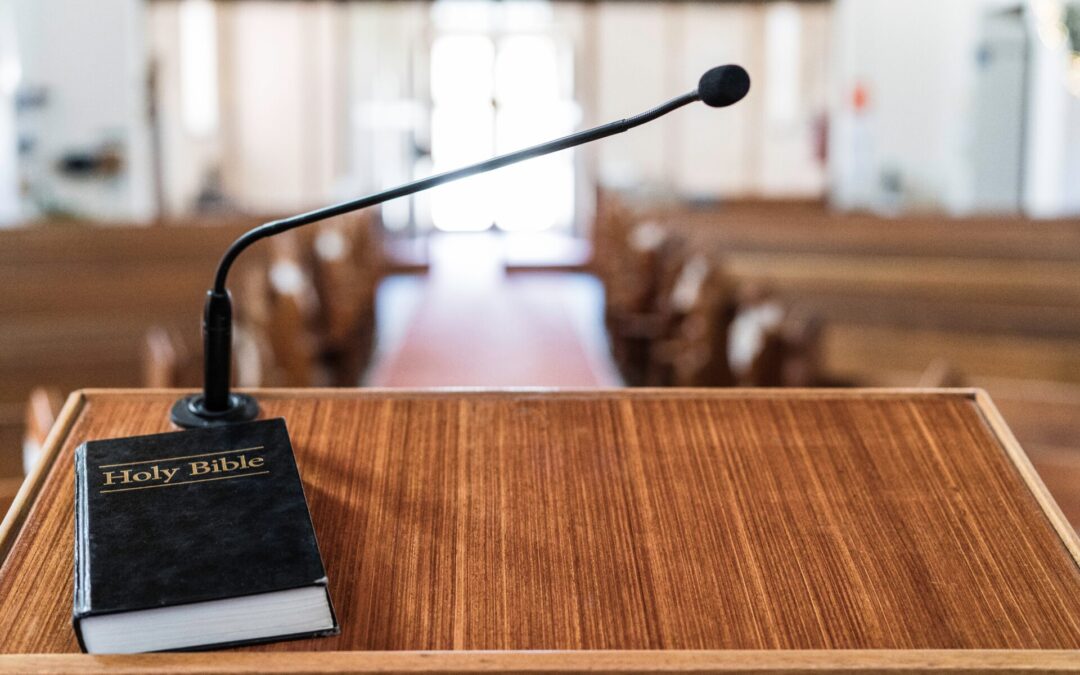
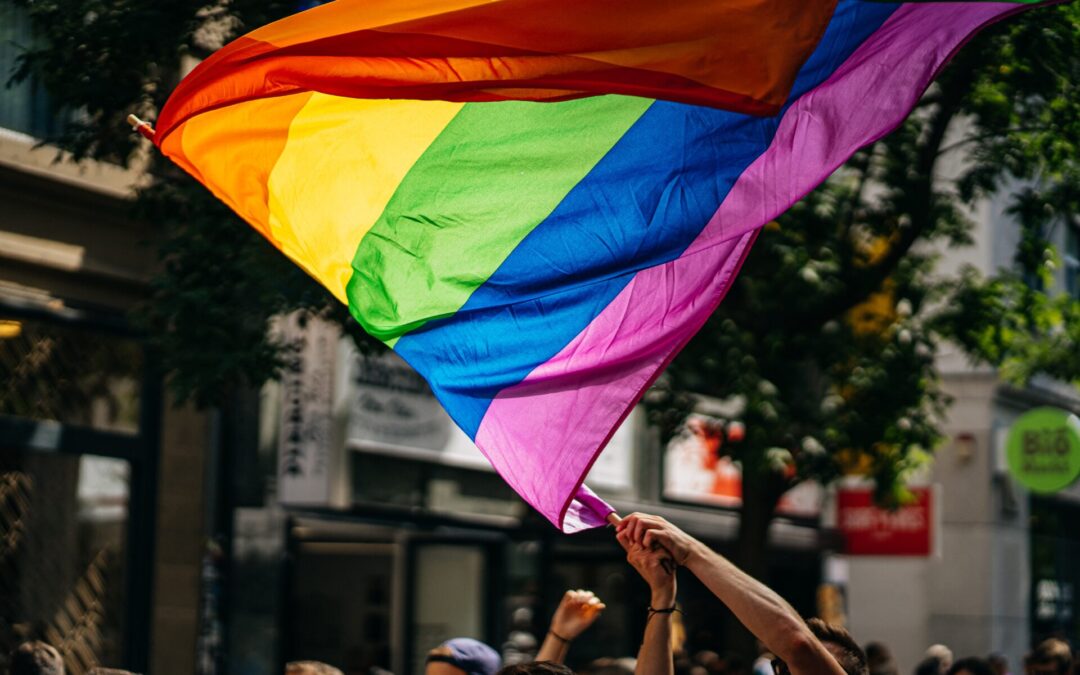
In this week’s newsletter, we featured a recent article in The Christian Science Monitor that examines how ministers in Middletown, Ohio are working to bridge political and cultural divides and help rebuild community. It’s a wonderful example of what building social connection looks like in action, one that could be replicated in other communities across the country.
There is no way to be against racism and ethnic discrimination but remain in support of sexism and gender discrimination. The captivity from which women and men both need to be set free requires a liberating theology that affirms freedom and opportunity for men equally available to women.
Everyone is welcome at my local library. It’s beginning to feel like mission and ministry to me. My library is beginning to feel like church, and along the way meeting the human need for community. Yet what might the church have to offer to overcome loneliness that my library does not?
Born out of 20 years of advocacy by American Baptists Concerned for full LGBTQ+ inclusion in Baptist church life, the Association of Welcoming and Affirming Baptists (AWAB) was formed in 1993 to not only advocate for the individuals of the LGBTQ+ community, but also for the churches who welcomed them.
Perhaps part of the reason for the phenomenon of loneliness in our culture is that we do not entirely understand one another in our differences, and so what can be lonely for one may feel completely replete with connection for another.
When I visited Abraham Lincoln’s son Robert Todd Lincoln’s summer home, I learned that Robert, as president of the Pullman Company, exploited the people whom his father freed. Yet black Pullman porters rose up to extend civil rights and social justice. Pullman porter E.D. Nixon paid Rosa Parks’ bail in Montgomery, Alabama, and asked a young Martin Luther King, Jr. to lead a bus boycott there. And Pullman porter A. Philip Randolph called for the 1963 March on Washington which culminated in King’s “I Have a Dream” speech.